


ANTAWACANA: A Space of “Ngariung” for Sustaining and Advancing Sundanese Culture
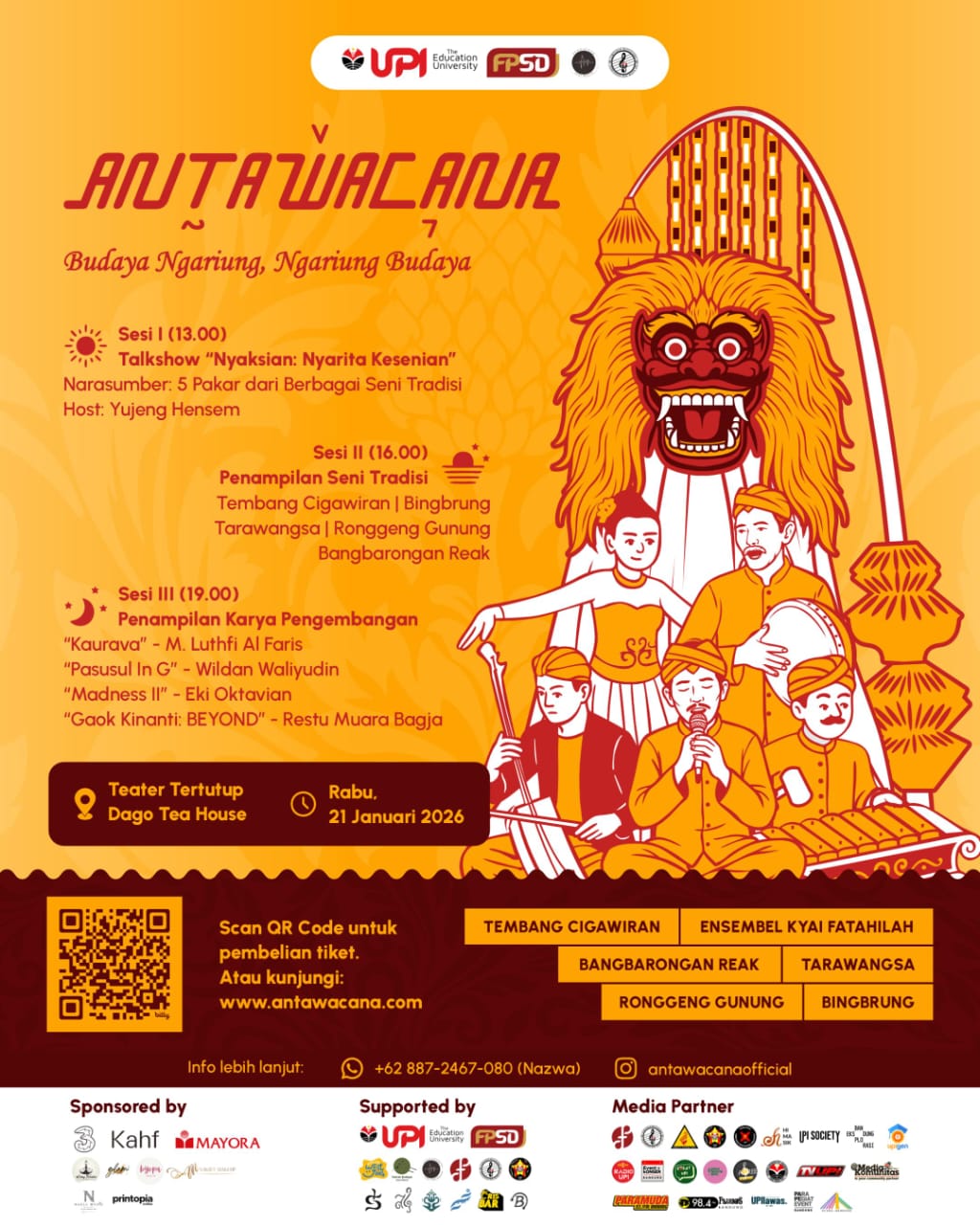 Figure 1. ANTAWACANA, “Budaya Ngariung, Ngariung Budaya” (Source: FPSD Press, 2026).
Bandung, 21 January 2026 - The Dago Tea House Indoor Theatre hosted ANTAWACANA, themed “Budaya Ngariung, Ngariung Budaya” (The Culture of Gathering, Gathering for Culture), on Tuesday, 21 January 2026. Held from 1:00 p.m. to 9:00 p.m. (WIB), the event brought together practices of traditional arts preservation and contemporary creative expression, demonstrating how culture remains vibrant through dialogue, encounter, and intergenerational collective work.
The program opened with an arts talk show session from 1:00 to 2:45 p.m., positioning artistic discourse as the conceptual foundation prior to the performance segment. This session functioned as a reflective forum to re-examine the position of traditional arts in contemporary contexts, while emphasizing that preservation is not a static endeavor but a dynamic process requiring the continual renewal of perspectives and modes of transmission. Through this dialogical approach, ANTAWACANA was framed not merely as a performance agenda, but as a site for the production of cultural knowledge.
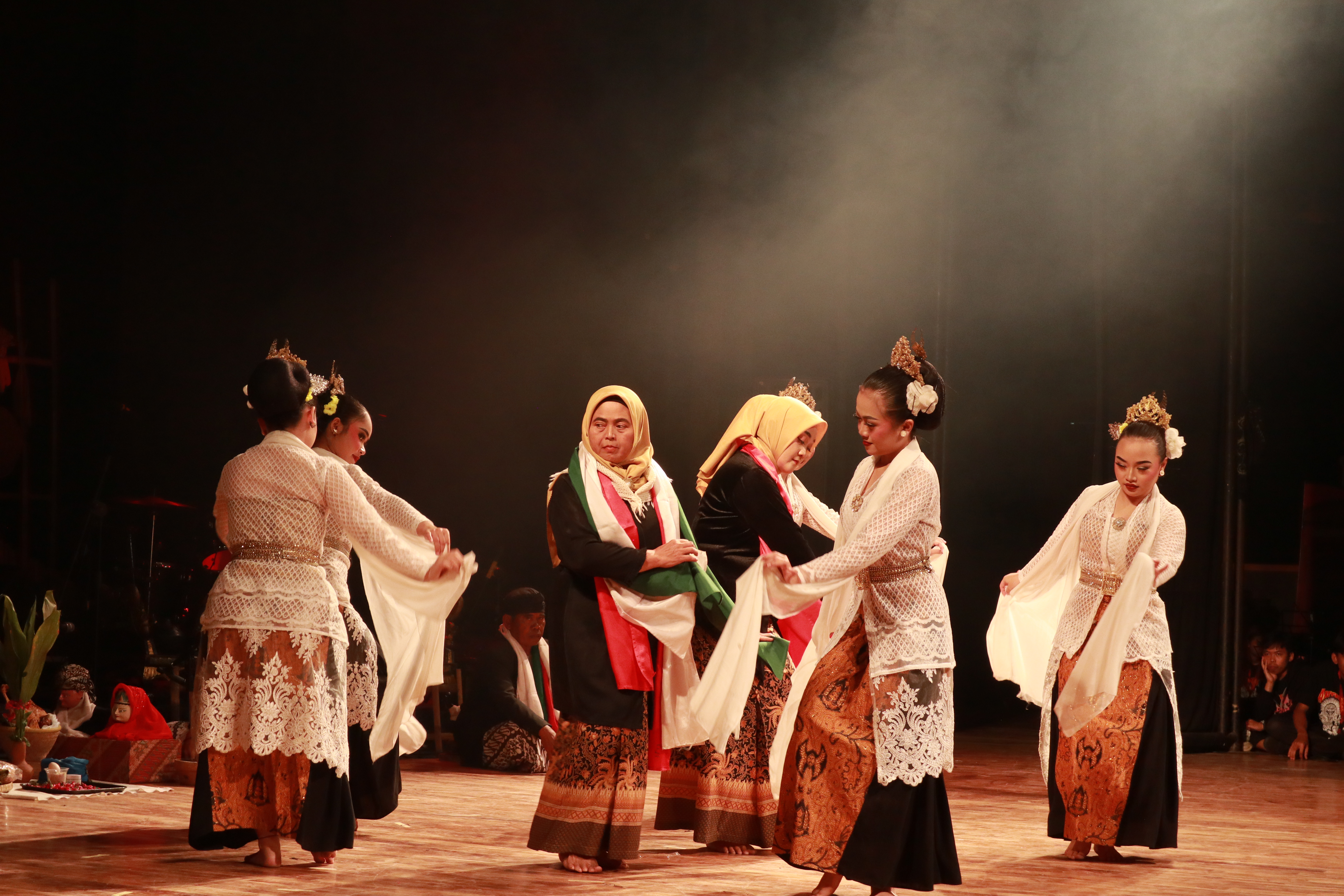
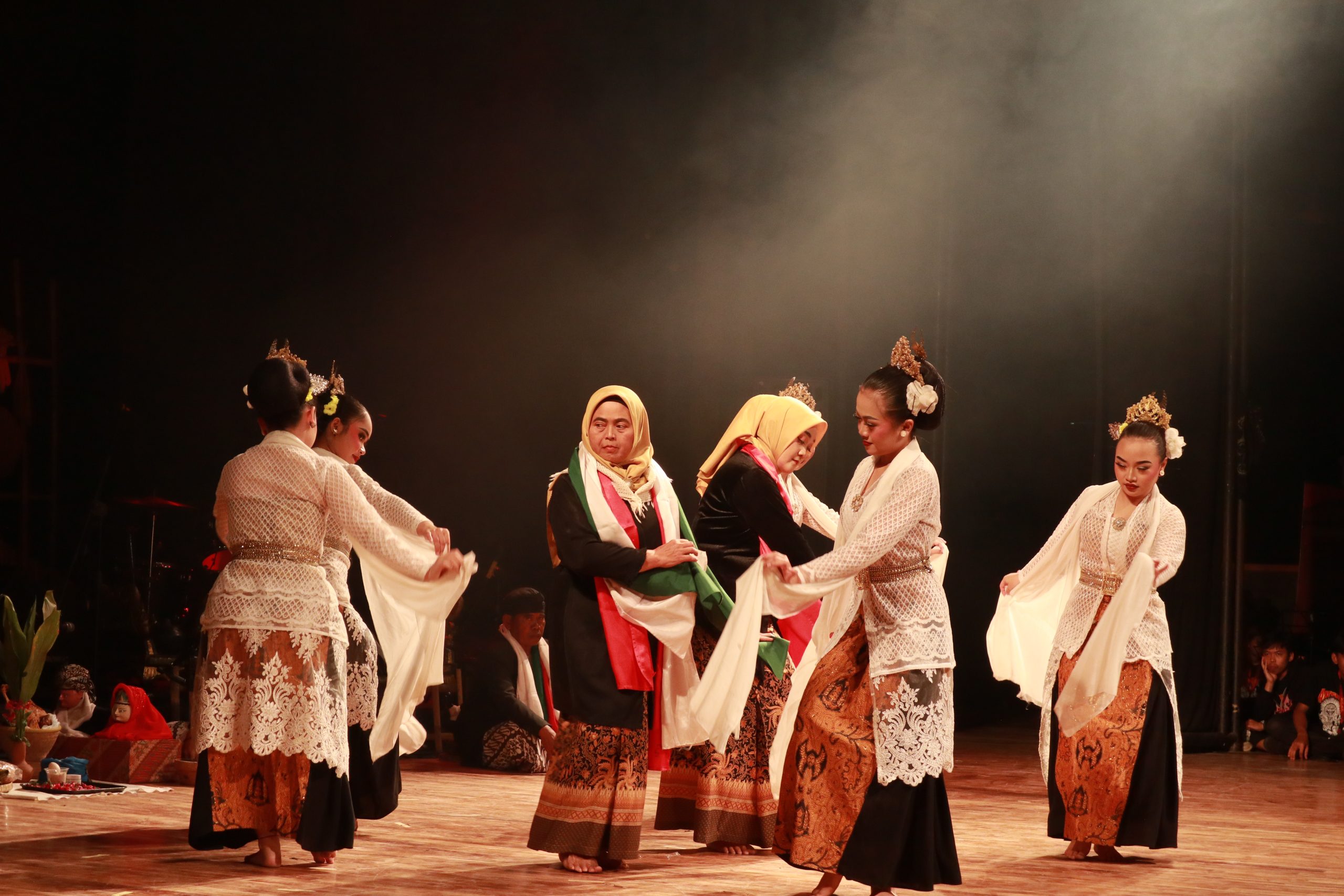 Figure 2. ANTAWACANA, “Budaya Ngariung, Ngariung Budaya” (Source: FPSD Press, 2026).
The preservation session, held from 4:00 to 6:00 p.m., featured a range of Sundanese traditional art forms deeply rooted in community cultural practices, including Tarawangsa, Bingbrung, Cigawiran, Ronggeng Gunung, and Reak. Their presentation underscored the richness of West Java’s traditional artistic spectrum, in terms of musical structures, social functions, and symbolic values. Each performance was not offered simply as entertainment, but as a representation of a living cultural identity that continues to evolve within the social fabric of society.
Tarawangsa, with its contemplative musical character, created a sacred atmosphere that reflected the relationship between humanity, nature, and spirituality. Bingbrung and Cigawiran revealed the religious and pedagogical dimensions of traditional arts as forms of cultural proselytization. Ronggeng Gunung embodied strong rhythmic and kinetic expressions, representing the vitality of folk performance traditions, while Reak manifested collective energy, affirming art as a social event grounded in communal participation. Taken together, this preservation session demonstrated that traditional arts do not occupy a marginal position, but remain highly relevant as sources of values, aesthetics, and local knowledge.
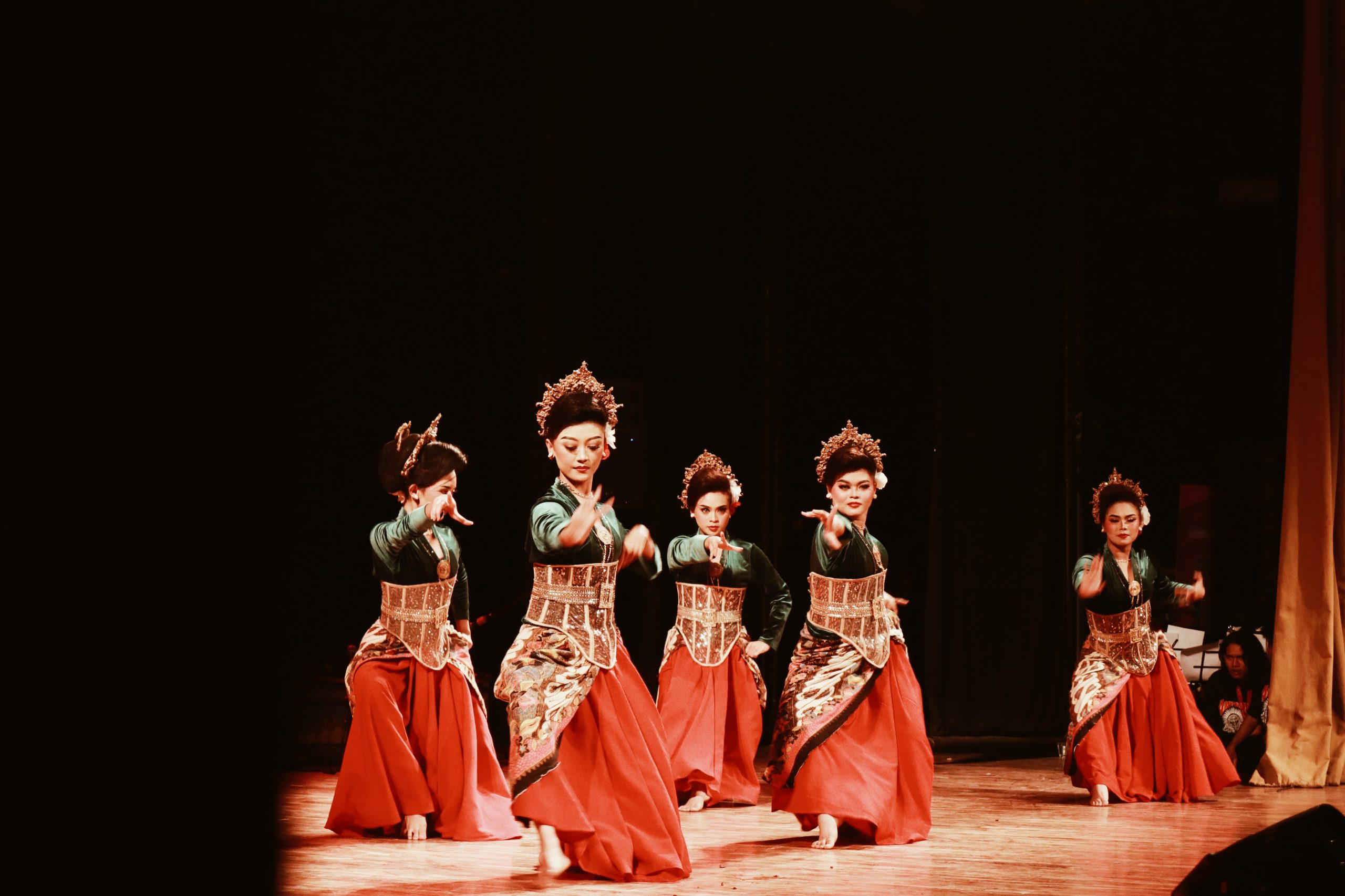 Figure 3. ANTAWACANA, “Budaya Ngariung, Ngariung Budaya” (Source: FPSD Press, 2026).
The development session, conducted from 7:00 to 9:00 p.m., provided a creative platform for younger generations to respond to tradition through newly composed works. Four pieces were presented as artistic explorations rooted in the spirit of tradition yet articulated through more contextual and experimental expressive languages. Madness II by Eki Oktavian displayed an intensity of musical expression that reflected the psychological dynamics of modern humanity. Pasusul in G by Wildan Waliyudin explored musical structures through an experimental approach, highlighting a dialogue between traditional tonal systems and contemporary musical sensibilities. Kaurava by Muhammad Lutfhi Alfaris offered a powerful dramatic narrative, integrating symbolic and musical dimensions as a reinterpretation of epic values in a present-day context. Meanwhile, Gaok Kinanti: BEYOND by Restu Muara Bagja affirmed that tradition can serve as a source of creative inspiration without losing its fundamental identity.
These development works illustrated that culture does not end with preservation alone, but demands the courage to engage in creative transformation. In this sense, ANTAWACANA functioned as an epistemic bridge between past and present, between traditional values and the expressive needs of the contemporary era. Art was thus treated not as an artifact, but as a cultural practice open to reinterpretation and renewal.
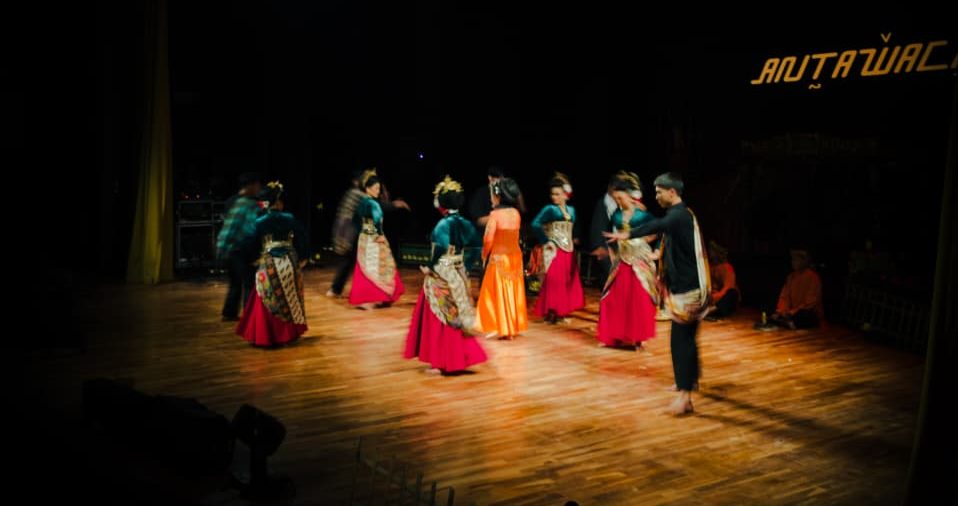 Figure 4. ANTAWACANA, “Budaya Ngariung, Ngariung Budaya” (Source: FPSD Press, 2026).
The event was attended by ticket-holding audiences, traditional artists involved in the preservation session, alumni of the Music Arts Education program, as well as several academic and cultural policy figures. Among those present were the Head of the Music Arts Education Study Program, Dr. Febbry Cipta, M.Pd.; the Dean of the Faculty of Arts and Design Education, Dr. Dody Mohammad Kholid, S.Pd., M.Sn.; and the Head of the West Java Regional Cultural Management Unit (UPTD PKDJB), Ary Heriyanto. Their presence underscored the importance of synergy among educational institutions, government bodies, and artistic communities in sustaining the cultural ecosystem.
Conceptually, the theme “Budaya Ngariung, Ngariung Budaya” found its full relevance throughout the entire program. Ngariung was understood not merely as a physical gathering, but as a cultural event that enables the exchange of ideas, values, and artistic experiences. Within this space of gathering, culture is nurtured, critically engaged, and collectively developed. ANTAWACANA thus became a concrete manifestation of culture as a living social process, rather than as a frozen symbol.
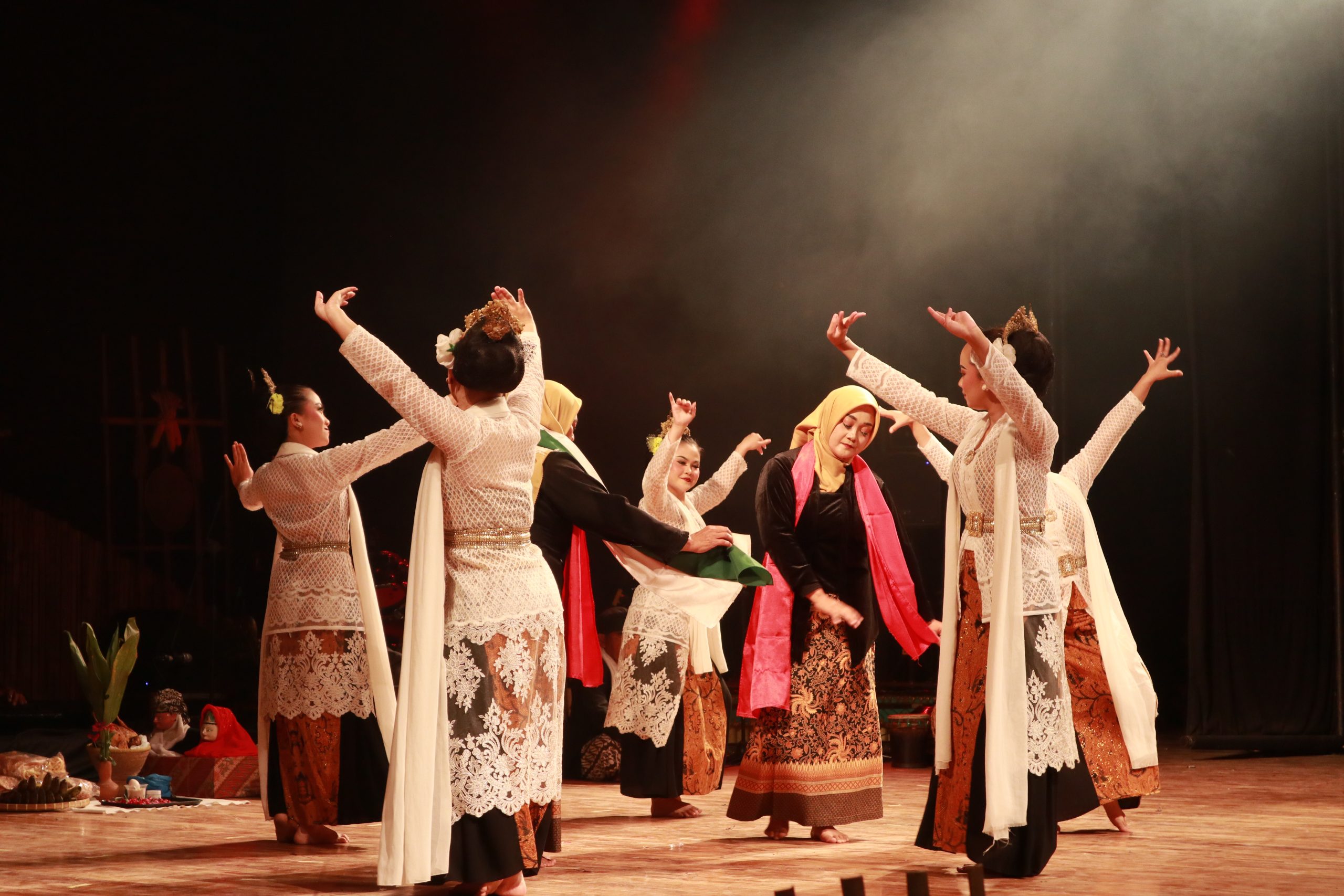 Figure 5. ANTAWACANA, “Budaya Ngariung, Ngariung Budaya” (Source: FPSD Press, 2026).
By integrating intellectual discourse, preservation practices, and creative development, ANTAWACANA successfully positioned traditional arts in a manner that is both dignified and progressive. The event demonstrated that preservation and development are not opposing poles, but complementary dimensions in building cultural sustainability. In this context, ANTAWACANA can be understood as a model of a cultural event that not only celebrates tradition, but also generates new meanings for the future of Sundanese arts and culture.
Contributor FPSD PRESS: Marsel Ridky Maulana & Vania Amelia Faustine
#FPSDPRESS#SDGs