


MELARASHINADA: Harmonizing Madenda and Hirajoshi in a Cross-Cultural Musical Collaboration
Bandung, 23 January 2026 - The Closed Theater of Dago Tea House served as a venue for a cross-cultural musical encounter through a performance entitled MELARASHINADA, held from 3:00 to 6:00 p.m. WIB. This performance presented a collaborative concept that integrated two pentatonic scales, namely madenda (ti) 4=Panelu from West Java and hirajoshi from Japan, into a unified, systematic, and educational musical expression.
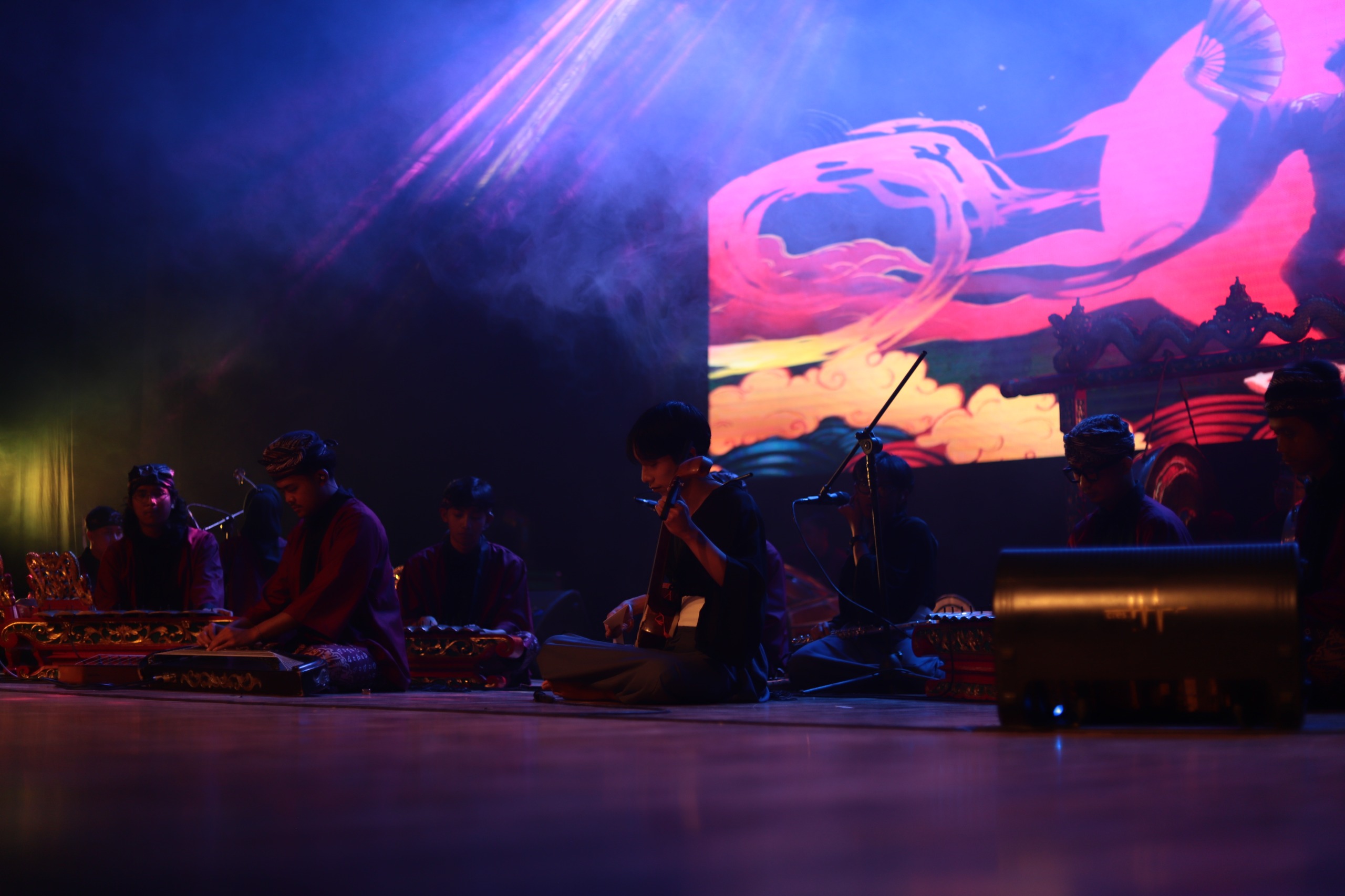 Figure 1. MELARASHINADA: Harmonizing Madenda and Hirajoshi (Source: FPSD Press, 2026).
Conceptually, MELARASHINADA is an acronym for “tangga nada hirajoshi dan laras madenda” (intoning the hirajoshi and madenda modes). The title is not merely symbolic but represents the core idea of the performance: to demonstrate musically that these two scales share similar intervallic characteristics, making it possible for them to be combined and performed simultaneously. Although originating from distinct cultural traditions, both madenda and hirajoshi are based on pentatonic systems consisting of five tones with relatively comparable interval structures. This similarity formed the fundamental basis for the musical exploration presented in the performance.
Through carefully structured compositions and arrangements, MELARASHINADA established a musical dialogue between the Sundanese and Japanese traditions. Rather than being positioned in opposition, the two musical systems were treated as complementary sound structures that could interact productively. In this regard, the performance functioned as a form of practice-based research in music, demonstrating that differences in cultural background do not necessarily generate aesthetic distance but can instead create opportunities for meaningful artistic integration and collaboration. Consequently, MELARASHINADA served not only as an artistic entertainment event but also as an educational medium for cross-cultural musical understanding.
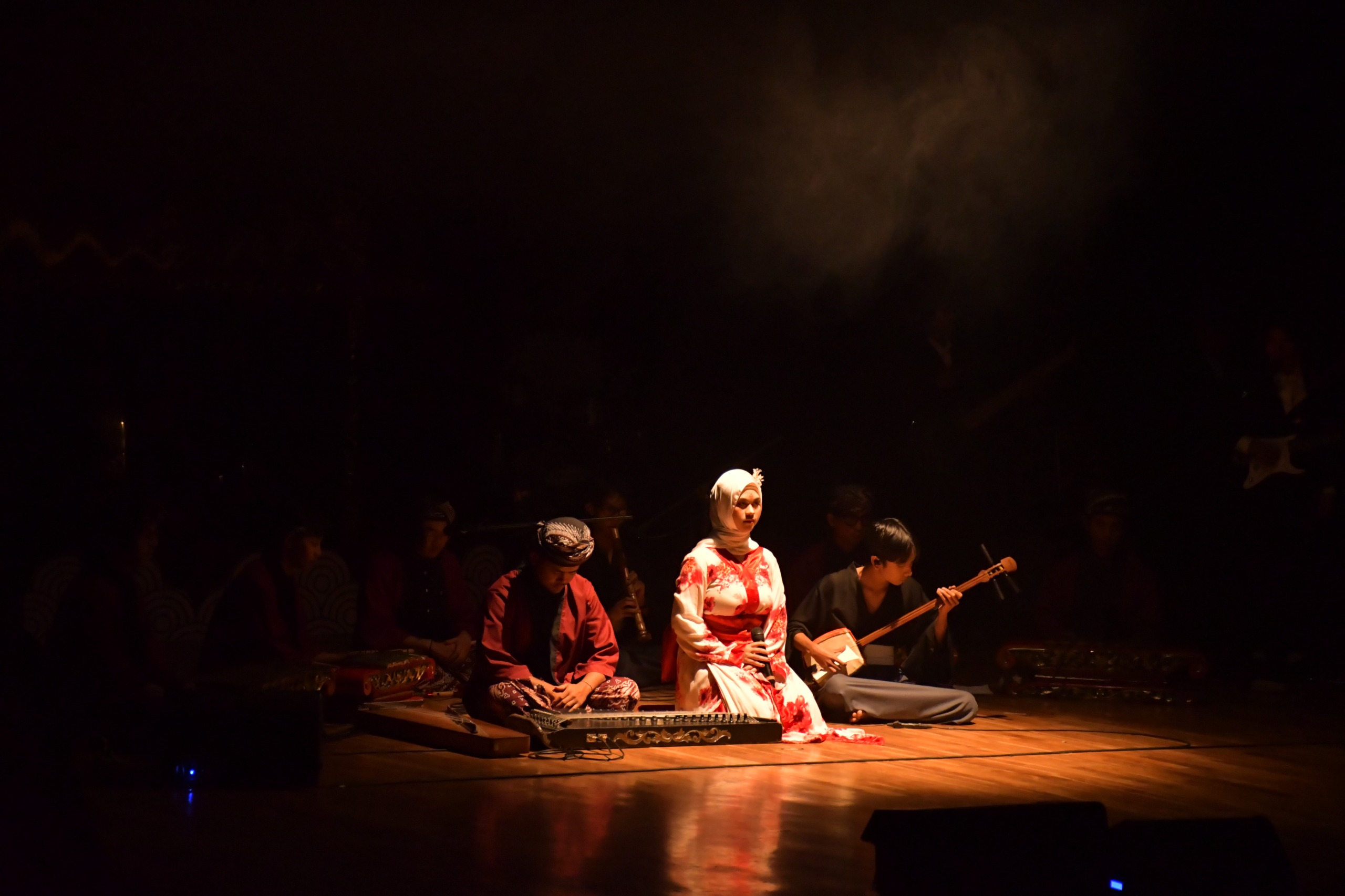
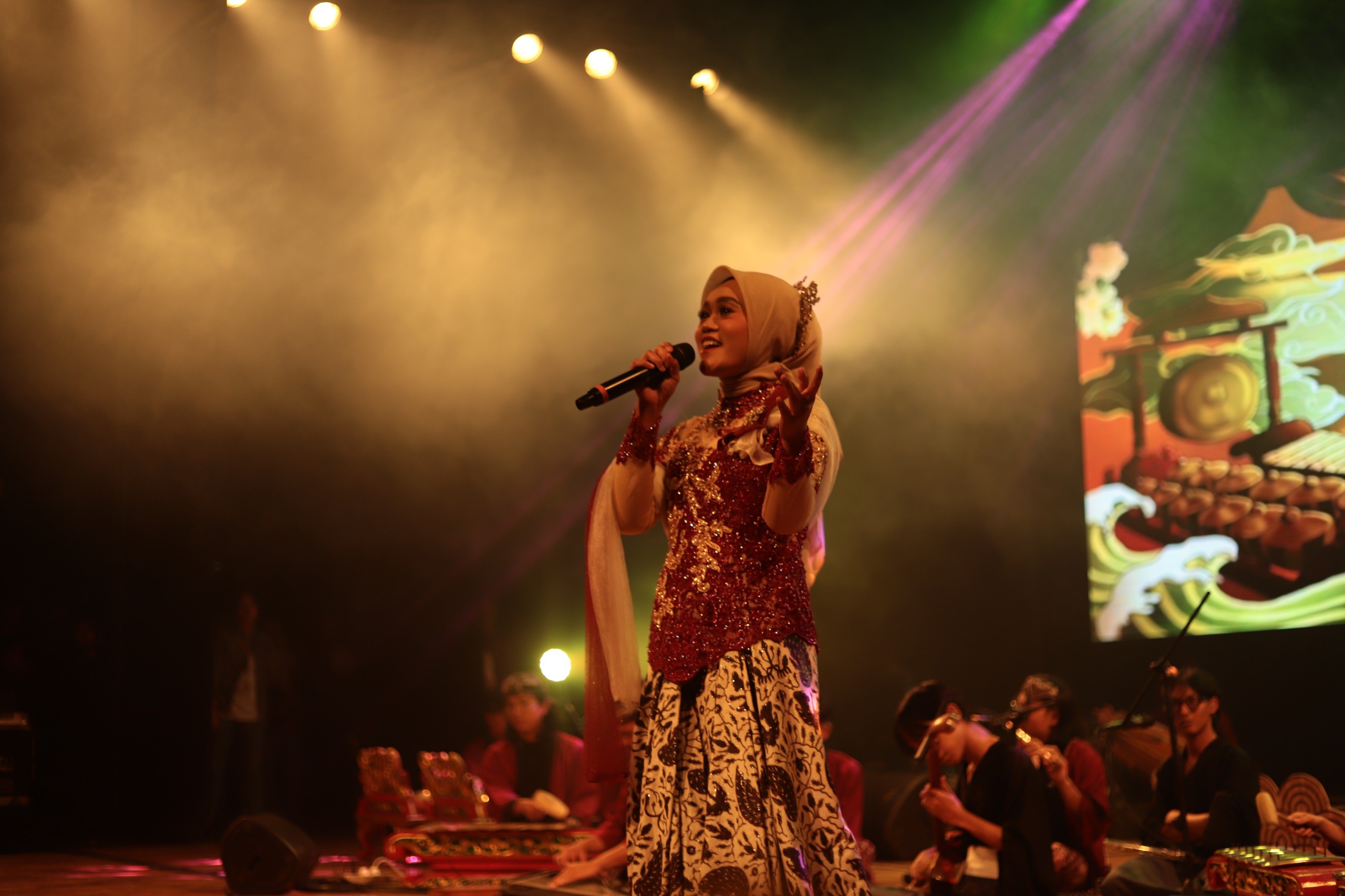 Figure 2. MELARASHINADA: Harmonizing Madenda and Hirajoshi (Source: FPSD Press, 2026).
The performance involved first-year students of the Music Study Program, cohort 2025, who acted as the core organizing committee and primary participants, under the guidance of senior students from the 2023 and 2024 cohorts. The event was organized under the auspices of the Music Student Association (HIMASIK) and supervised by Enry Johan Jaohari, M.Pd., as the student affairs advisor of the Music Study Program. The presence of audiences from the academic community of the Faculty of Art and Design Education (FPSD) at Universitas Pendidikan Indonesia (UPI), as well as members of the general public, reinforced the position of this event as a space of interaction between academia and society.
Several academic leaders were also in attendance, including the Head of the Music Study Program, Dr. Toni Setiawan Sutanto, S.Pd., M.Sn., and the Dean of the Faculty of Art and Design Education, Dr. Dody Mohammad Kholid, S.Pd., M.Sn. Their presence signified strong institutional support for the development of student creativity, particularly in the domain of music performance grounded in artistic research and cross-cultural exploration.
In terms of its objectives, MELARASHINADA was designed as a platform for fostering creativity, innovation, and leadership among first-year students. The event provided opportunities for students to express artistic aspirations while simultaneously developing managerial competencies in planning, organizing, and executing a professional music performance. The entire process, from conceptual design to implementation, served as practical training in performance management, encompassing artistic conception, technical organization, team coordination, and audience communication.
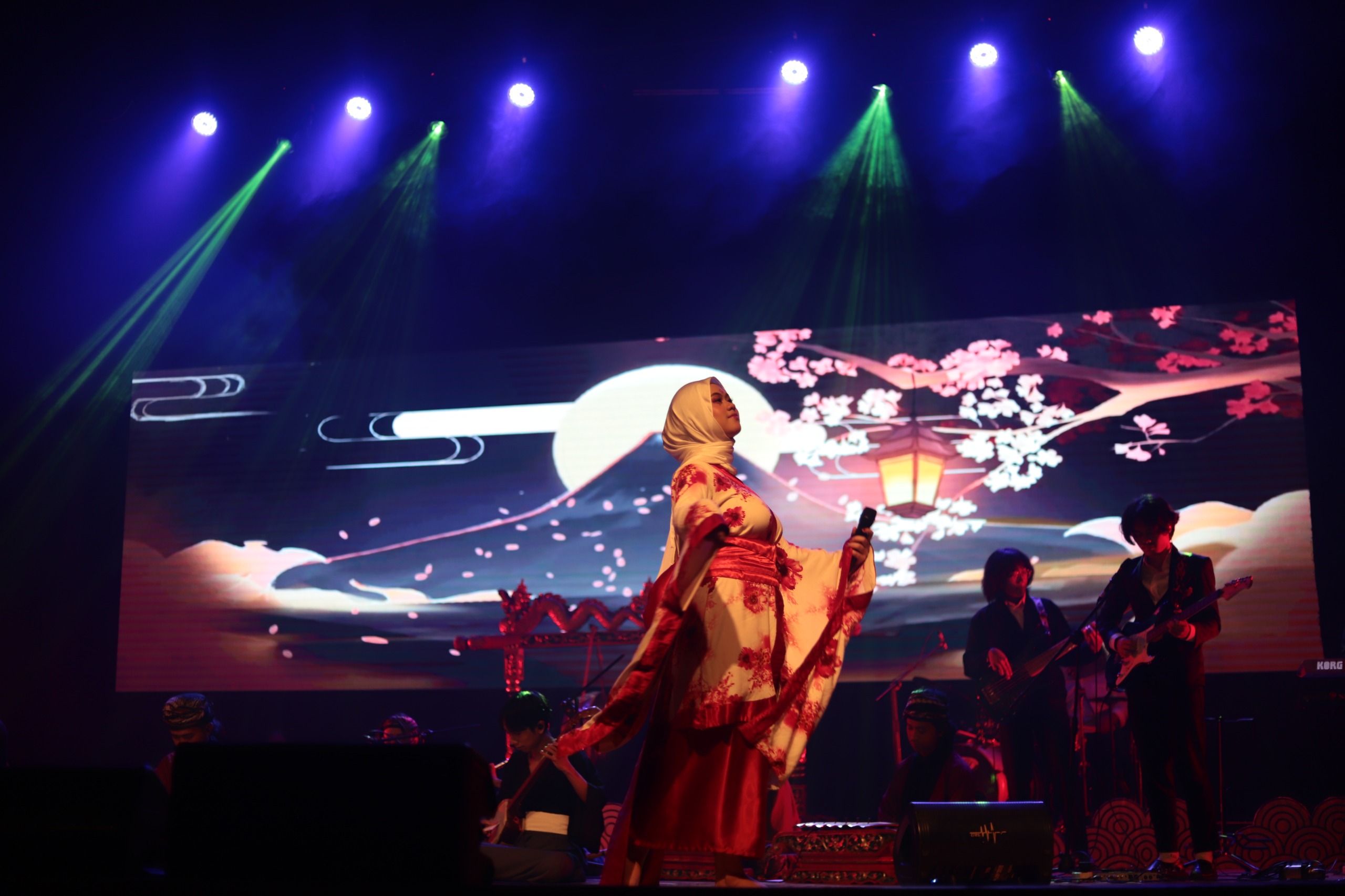
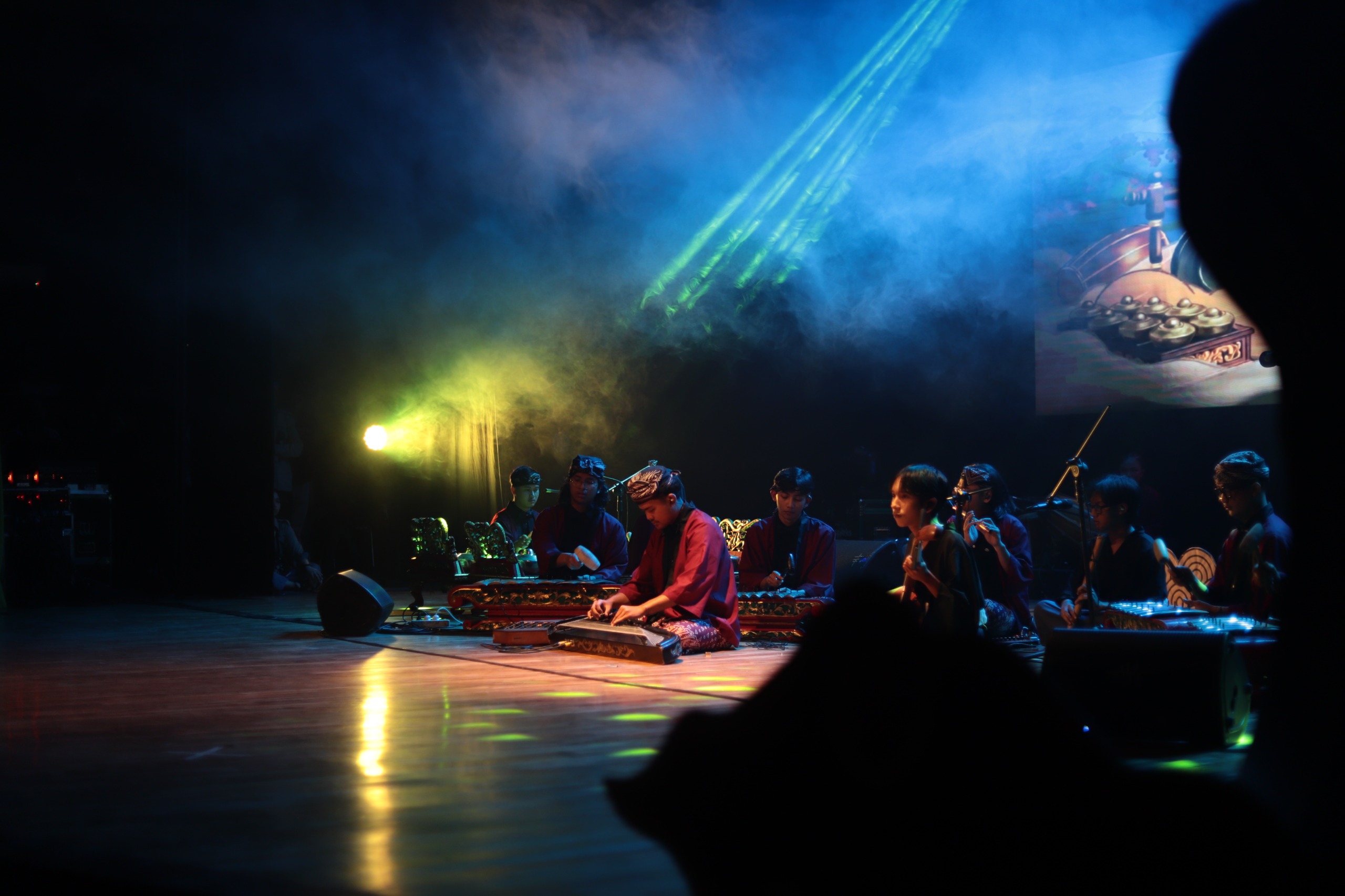 Figure 3. MELARASHINADA: Harmonizing Madenda and Hirajoshi (Source: FPSD Press, 2026).
The main outcomes of the event were reflected in two key aspects. First, all presented works were effectively communicated to the audience, both musically and conceptually, enabling the performance to be appreciated aesthetically and understood intellectually. Second, the first-year students of the Music Study Program, cohort 2025, gained a comprehensive understanding of the workflow of music performance management, from conceptualization to post-event evaluation.
Therefore, MELARASHINADA should be understood not merely as a routine performance agenda, but as a practice-based learning medium that integrates artistic creativity, managerial skills, and cross-cultural musical studies. The performance demonstrates that music can function as an experimental space where local and global traditions intersect, while simultaneously strengthening the role of students as creative agents capable of critical thinking, innovation, and professional practice in the field of performing arts.
Contributor FPSD PRESS: Reihan Fauzi
#FPSDPRESS#SDGs