


KOKAKI Vol. 7: A Critical Reflection on Leadership in “THE KING”
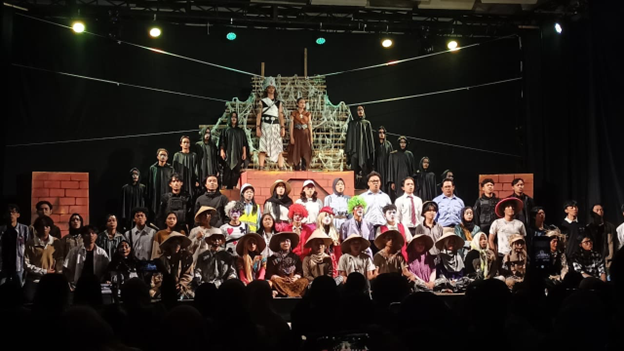 Figure 1. KOKAKI Vol. 7: A Critical Reflection on Leadership in “THE KING” (Source: FPSD Press 2026).
Bandung, 7-8 January 2026 - Students of the Film and Television Study Program (FTV), Faculty of Art and Design Education (FPSD), Universitas Pendidikan Indonesia (UPI), Class of 2025, successfully staged Kota Kata Kita (KOKAKI) Vol. 7 as part of the final assessment for the Dramaturgy course in their first semester. The performance, entitled “THE KING,” served as an initial demonstration of the students’ ability to apply theories of dramatic structure within a concrete theatrical production. Under the direction of Dedi Warsana, S.Pd., M.Sn., who also served as the course instructor, this work functioned not merely as an academic requirement but as an intensive creative laboratory through which first-year students explored the fundamental dynamics of theatrical performance.
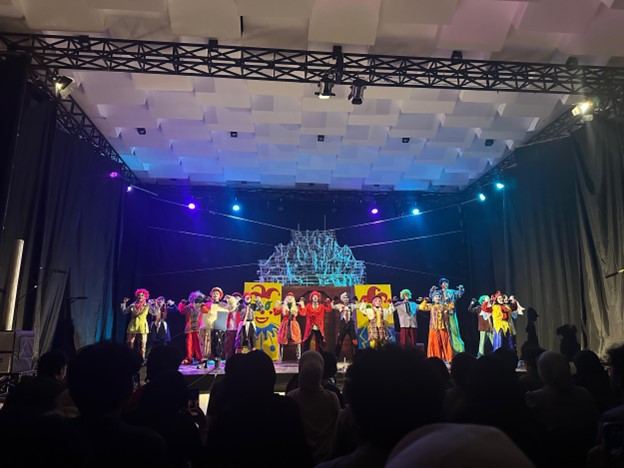 Figure 2. KOKAKI Vol. 7: A Critical Reflection on Leadership in “THE KING” (Source: FPSD Press 2026).
The approximately 90-minute production invited the audience to enter the inner psychological landscape of Hayam Wuruk, a ruler consumed by profound melancholy arising from reflections on the consequences of his leadership. Through the symbolic device of a mirror, Hayam Wuruk is confronted with a projected vision of the future that reveals a far more ominous and destructive model of governance. Within this temporal framework, the audience is presented with dramatic visualizations of forcibly displaced farmers and mass public demonstrations culminating in loss of life. This narrative strategy boldly forges a direct connection between historical memory and contemporary social issues, rendering the performance highly relevant to current national conditions.
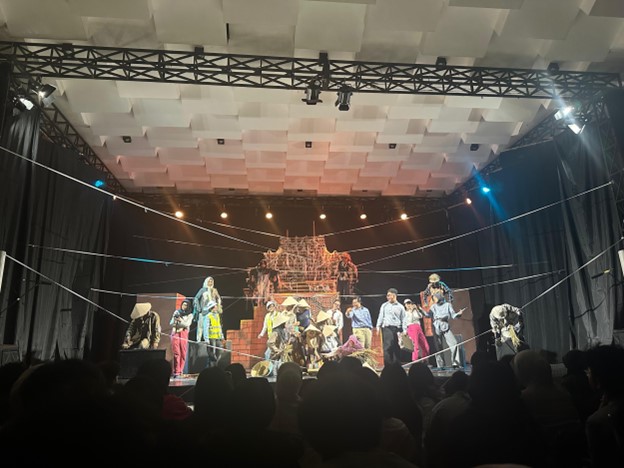 Figure 3. KOKAKI Vol. 7: A Critical Reflection on Leadership in “THE KING” (Source: FPSD Press 2026).
The turmoil depicted within this future vision is further intensified by representations of the cunning and greed of ministers surrounding the throne. The 2025 cohort skillfully embodied these political intrigues with considerable intensity, illustrating how personal ambition among political elites frequently comes at the expense of public welfare. The ministers’ duplicity stands in sharp contrast to the king’s moral uncertainty, sustaining dramatic tension throughout the performance. This character exploration constitutes the core of the students’ dramaturgical study, in which each conflict is deliberately constructed to provoke critical reflection on the ethics of power and authority.
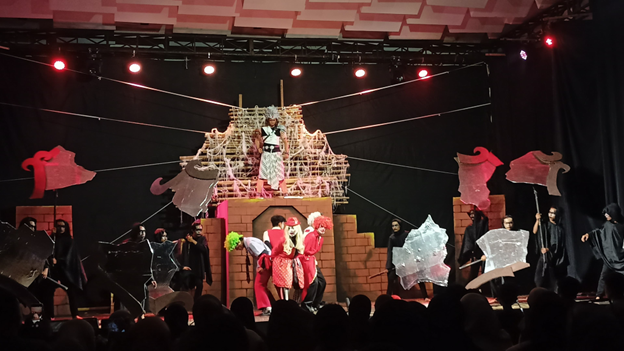 Figure 4. KOKAKI Vol. 7: A Critical Reflection on Leadership in “THE KING” (Source: FPSD Press 2026).
The emotional dimension of the performance reaches its climax through the portrayal of the profound disappointment experienced by Hayam Wuruk’s wife, Dyah Pitaloka. Her character emerges as a wounded moral conscience, bearing witness to the gradual erosion of her husband’s leadership and the suffering it inflicts upon those around him. The relationship between Hayam Wuruk and Dyah Pitaloka introduces a deeply human dimension to the grand narrative of the kingdom, while simultaneously exposing the personal ramifications of a failing leadership system. This internal struggle between characters is articulated effectively through stage composition and lighting design that reinforce an atmosphere of tension and melancholy.
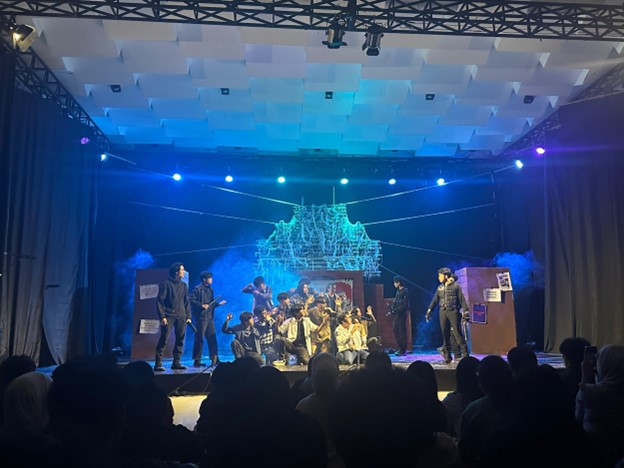 Figure 5. KOKAKI Vol. 7: A Critical Reflection on Leadership in “THE KING” (Source: FPSD Press 2026).
As a production created by first-semester students, KOKAKI Vol. 7: “THE KING” demonstrates a promising standard of quality for the future development of the Film and Television Study Program at FPSD UPI. The success of this 90-minute performance attests to the effectiveness of practice-based learning within the Dramaturgy course, particularly in cultivating students’ sensitivity to social issues. Under the guidance of Dedi Warsana, this work is expected to serve as a strong foundation for the students’ subsequent academic and creative trajectories. Audience responses further reflected strong appreciation for the students’ courage in addressing critical themes on the university stage through an aesthetic approach that is both evocative and thought-provoking.
Contributor FPSD PRESS: Mu'afa Audia Permadi
#FPSDPRESS#SDGs